
Roswell Fire Museum: Free Admission With a Flexible Plan |
Visit Roswell Fire Museum with current hours, the historic pumper and a backup plan when station personnel respond to emergencies. |
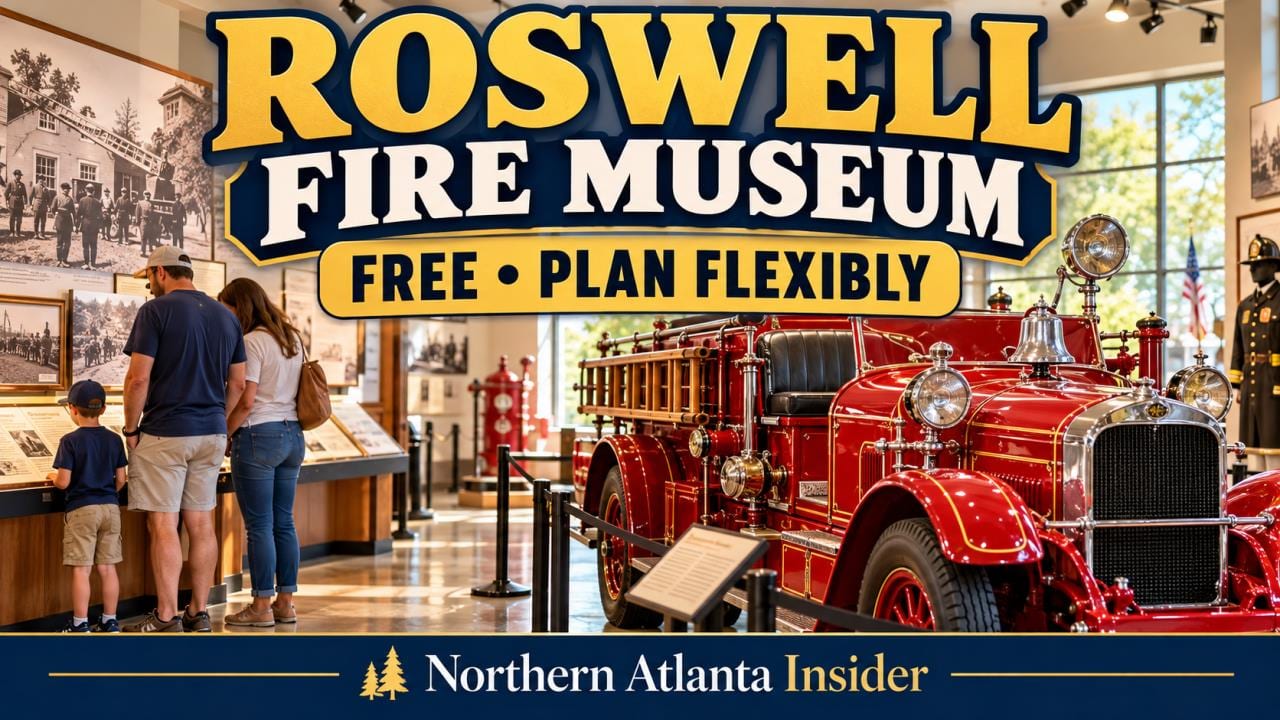
The Roswell Fire Museum offers a free way to explore local firefighting history, with one important planning condition: emergency response comes first. Treat it as a flexible stop rather than a timed attraction that must remain open throughout the published visitor window.
The city's museum visitor page lists 1002 Alpharetta Street and daily hours of 8 a.m. to 5 p.m. It also explains that the museum closes when station personnel leave for fire or emergency medical calls. Those two facts belong together when you plan the visit.
Tell companions about that possibility before setting out. A child who expects an uninterrupted museum outing may find a closure disappointing; a group that understands the station's purpose can more easily change plans. Share one alternate destination instead of trying to improvise several activities at the entrance. Look closely at the historic pumperThe central exhibit is a 1947 Ford American LaFrance pumper once used by Roswell. The city says it is occasionally taken out for maintenance and operation and also participates in parades. Do not promise that a particular vehicle will be on display without checking. |
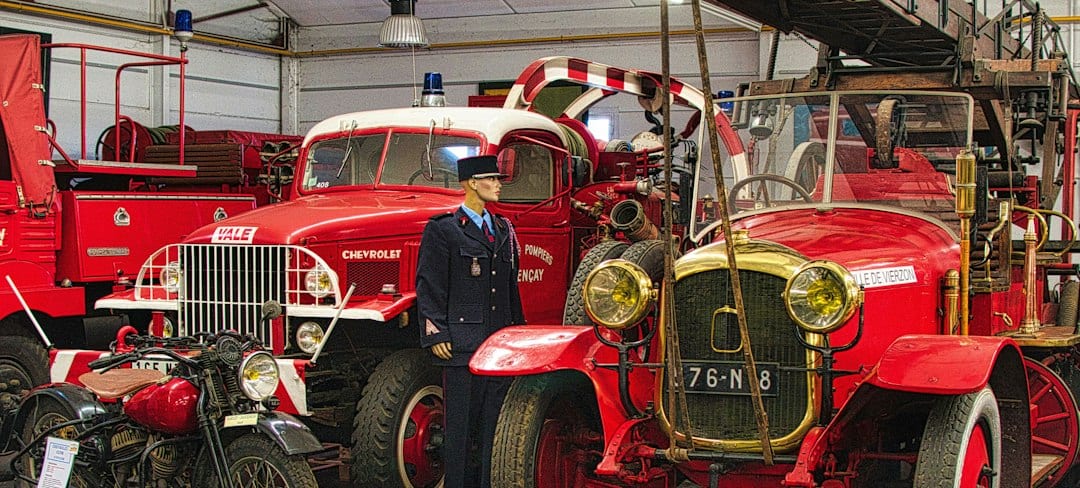 Illustrative historic firefighting display; not Roswell Fire Museum. Photo by David Billington on Unsplash |
Make the visit about observationOther material includes photographs, historical information about Roswell, Atlanta fire-history artifacts and displays explaining the fire service. A useful approach is to choose one object or image and ask what job it helped people perform. That keeps the visit focused without requiring an exhaustive tour.
Invite children to compare an older piece of equipment with what they know about emergency vehicles today. Use the exhibit information to separate observation from guessing. A historic truck's appearance alone does not establish how every component operated or how crews used it.
Let the display guide the conversation. Ask what has changed, which tasks still seem familiar and why communities preserve working equipment after it leaves regular service. You can leave with one good question rather than trying to memorize every date or technical term.
Keep clear of operational areas and follow staff instructions. This is a visit connected to a fire station, so a quiet, cooperative group makes sense. Ask before treating a display as something to touch, climb into or use for a posed photograph.
Bring only what you can comfortably manage while looking at displays. A smaller group can pause together, read a label and move on without turning the visit into a rushed checklist. |
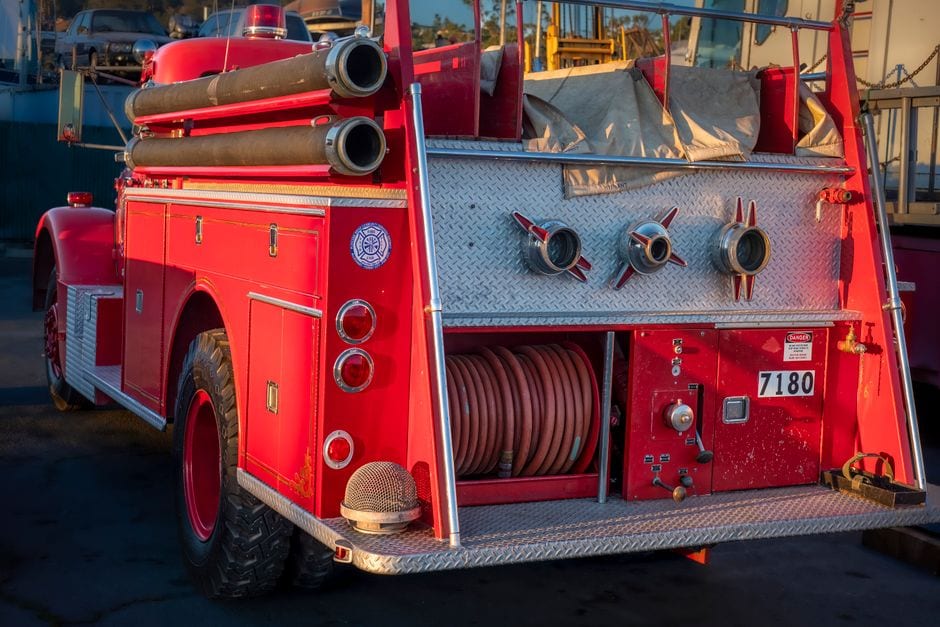 Illustrative historic firefighting display; not Roswell Fire Museum. Photo by David McElwee on Pexels |
Separate museum visiting from a station tourA museum visit is not the same as a scheduled behind-the-scenes station tour. The department's community outreach and education page provides a separate station-tour request process. If your group needs a planned educational session, use that route and wait for confirmation before issuing invitations.
For museum questions, the listed contact is 770-641-3727. Ask about current visiting conditions, the vehicle display and any access arrangements your group needs. A published daily timetable cannot answer every question about a particular arrival.
For another Roswell history outing, compare our Barrington Hall grounds and museum guide and Bulloch Hall visiting guide. Check their own hours and admission arrangements independently; neither is included with a fire-museum visit.
Save the museum address and your alternate plan together. Before leaving, recheck current city information and agree on the group's stopping point. Free admission makes this an approachable history stop, while flexibility respects the emergency work that can interrupt access. |
0 Comments
Join the conversation
Be the first to comment
Share your thoughts above.